
Article
The Healthcare Implications of Climate Change
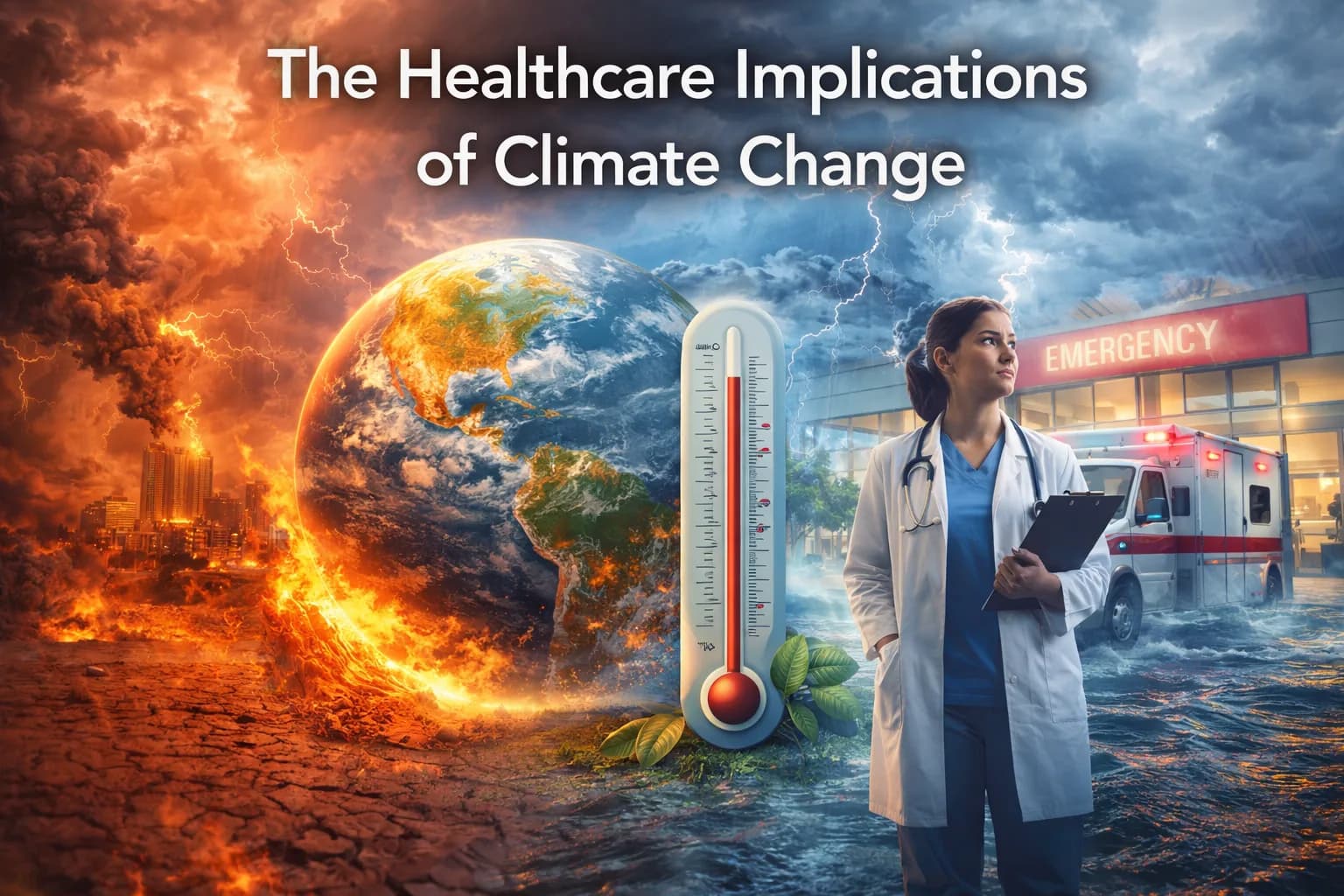
Understanding the Intersection of Environmental and Public Health
Introduction
Climate change is an omnipresent challenge that has far-reaching consequences, extending beyond the environmental sphere into numerous facets of human life. One of the most critical areas affected by climate change is healthcare. As global temperatures rise, weather patterns shift, and sea levels increase, the health of individuals and populations is increasingly at risk. Understanding these impacts is vital for developing adaptive strategies and mitigating adverse health outcomes.
Increasing Frequency of Extreme Weather Events
The rise in frequency and intensity of extreme weather events, such as hurricanes, floods, heatwaves, and droughts, directly impacts public health. These events can cause immediate harm through physical injuries or fatalities and have long-term health implications by disrupting healthcare infrastructure. Hospitals and clinics may be damaged, leading to interruptions in medical services. Heatwaves, for example, lead to heat-related illnesses such as hyperthermia, heatstroke, and exacerbate chronic conditions like cardiovascular and respiratory diseases.
Spread of Infectious Diseases
Climate change also influences the distribution and behavior of pathogens and vectors, such as mosquitoes and ticks, leading to the spread of infectious diseases. Warmer temperatures and altered precipitation patterns create favorable conditions for the proliferation of vector-borne diseases like malaria, dengue fever, Zika virus, and Lyme disease. Regions previously unaffected by such diseases are now at risk, posing new challenges for healthcare systems unprepared for these outbreaks.
Air Quality and Respiratory Health
Climate change significantly impacts air quality, leading to increased respiratory problems. Higher temperatures contribute to the formation of ground-level ozone and exacerbate the effects of air pollutants, such as particulate matter. These pollutants are known to cause or worsen respiratory conditions like asthma, chronic obstructive pulmonary disease (COPD), and lung cancer. Additionally, prolonged exposure to poor air quality can lead to cardiovascular diseases and premature death.
Food Security and Nutrition
The effects of climate change on agriculture and food production have serious implications for nutrition and food security. Extreme weather events, changing precipitation patterns, and rising temperatures can reduce crop yields, disrupt food supply chains, and lead to food shortages. Malnutrition and hunger can become more prevalent, particularly in vulnerable populations, leading to a range of health issues including stunted growth in children, weakened immune systems, and increased susceptibility to illness.
Mental Health and Well-being
The psychological and emotional effects of climate change are increasingly being recognized. The trauma and stress associated with extreme weather events, displacement, and the loss of livelihoods can lead to mental health issues such as anxiety, depression, and post-traumatic stress disorder (PTSD). Chronic stress from ongoing climate-related challenges, such as persistent droughts or flooding, can also contribute to mental health problems. Providing adequate mental health support is essential for communities affected by climate change.
Impact on Vulnerable Populations
Climate change disproportionately affects vulnerable populations, including the elderly, children, low-income communities, and those with pre-existing health conditions. These groups often have limited resources to adapt to changing conditions and are more susceptible to health issues. For example, the elderly are at higher risk of heat-related illnesses during heatwaves, while children are more vulnerable to the effects of malnutrition and respiratory diseases. Addressing the needs of these populations is crucial for equitable healthcare provision in the face of climate change.
Healthcare Infrastructure and Preparedness
The resilience of healthcare infrastructure is being tested by climate change. Hospitals, clinics, and emergency services must be prepared to respond to the growing demands and challenges posed by extreme weather events and emerging health threats. This includes ensuring robust infrastructure, developing emergency response plans, and investing in training for healthcare professionals. Enhancing the capacity of healthcare systems to adapt to climate change is essential for protecting public health.
Policy and Global Health Initiatives
Addressing the healthcare implications of climate change requires coordinated efforts at local, national, and global levels. Policymakers must integrate climate considerations into public health planning and policies. International cooperation and initiatives, such as the Paris Agreement and the World Health Organization’s work on climate change and health, are crucial for fostering collaboration and sharing best practices. Investment in research and innovation is also needed to develop new solutions and strategies for mitigating health risks associated with climate change.
Conclusion
The healthcare implications of climate change are vast and complex, affecting physical, mental, and societal well-being. As climate change continues to evolve, so too must our approach to healthcare, emphasizing adaptability, resilience, and equity. By understanding and addressing these challenges, we can protect public health and ensure a better future for all