
Article
Future Trends in Renewable Energy Generation
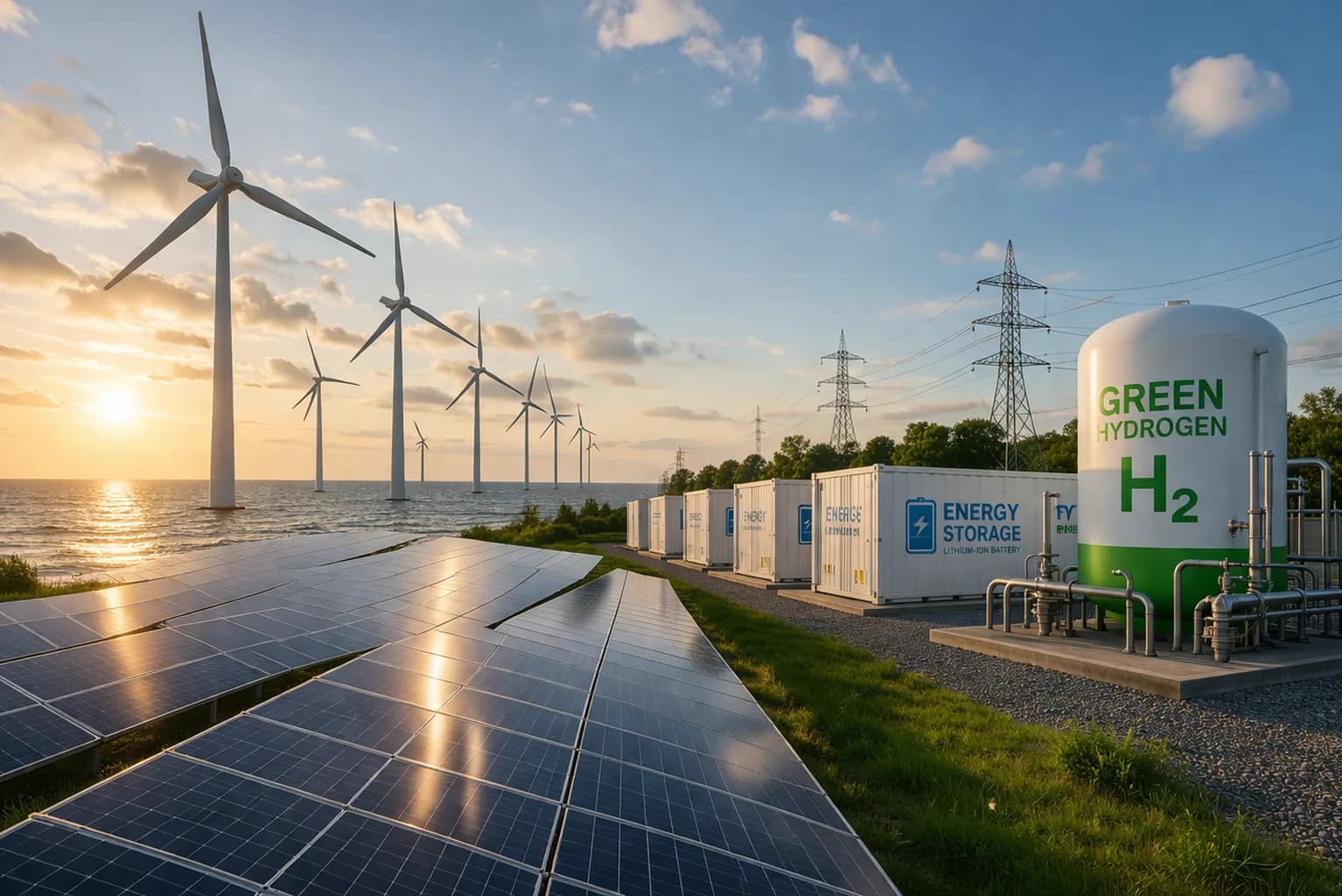
Innovations and Projections for a Sustainable Tomorrow
Renewable energy has emerged as a critical component in the global quest for sustainable development. As the world grapples with the adverse effects of climate change and the depletion of fossil fuels, the focus has shifted towards harnessing cleaner, more sustainable sources of energy. The future of renewable energy generation holds immense promise, driven by technological advancements, policy support, and a growing public awareness of the need for environmental preservation.
Technological Advancements
Solar Power
Solar energy is at the forefront of renewable energy generation, with continuous improvements in photovoltaic (PV) technology driving down costs and increasing efficiency. The development of perovskite solar cells, which offer higher efficiency at lower production costs, is one of the most promising trends in solar power. Additionally, advancements in solar storage systems and the integration of solar panels into building materials are expected to revolutionize the industry, making solar energy more accessible and practical.
Wind Energy
Wind energy has seen significant growth, particularly with the advent of offshore wind farms. The future trends in wind energy include the development of larger and more efficient turbines, floating wind farms that can be deployed in deeper waters, and advancements in materials and design that reduce maintenance costs and increase longevity. Innovations in wind energy storage and grid integration are also set to enhance the reliability and stability of this renewable source.
Hydropower
Hydropower remains a vital component of the renewable energy mix, but it is evolving to address environmental concerns and improve efficiency. The future of hydropower includes small and micro-hydropower systems that can provide localized energy solutions with minimal environmental impact. Additionally, advancements in pumped storage hydropower, which stores excess energy for use during peak demand, will play a crucial role in balancing renewable energy supply and demand.
Emerging Technologies
Bioenergy
Bioenergy, derived from organic materials, is poised for growth with innovations in biomass conversion technologies. The development of advanced biofuels, such as cellulosic ethanol and algae-based biofuels, offers the potential for cleaner and more efficient energy production. Additionally, biogas from waste materials and the integration of bioenergy with carbon capture and storage (BECCS) are expected to enhance the sustainability of this energy source.
Geothermal Energy
Potential for base-load power generation. Future trends in geothermal energy include the development of enhanced geothermal systems (EGS), which can access heat from deeper and less permeable rock formations. Innovations in drilling technology and the exploration of new geothermal sites are expected to increase the viability and accessibility of this renewable energy source.
Hydrogen Energy
Hydrogen energy is gaining traction as a versatile and clean energy carrier. The future of hydrogen energy lies in the production of green hydrogen through electrolysis, powered by renewable energy sources. This green hydrogen can be used in various applications, including transportation, industry, and energy storage. Advances in hydrogen fuel cells and the development of hydrogen infrastructure are critical to realizing the full potential of this energy source.
Policy and Market Trends
Government Policies and Incentives
Government support through policies and incentives is crucial for the growth of renewable energy. Future trends include the implementation of more ambitious renewable energy targets, tax credits, and subsidies for clean energy projects. Additionally, policies promoting energy efficiency, grid modernization, and the phase-out of fossil fuel subsidies will further accelerate the transition to renewable energy.
Corporate Commitments
Corporations are increasingly committing to renewable energy targets as part of their sustainability strategies. Future trends include more companies investing in renewable energy projects, purchasing renewable energy credits, and adopting on-site renewable energy generation. These corporate commitments not only reduce greenhouse gas emissions but also drive innovation and create new market opportunities.
Public Awareness and Consumer Demand
Rising public awareness of climate change and environmental issues is driving consumer demand for clean energy solutions. Future trends include increased adoption of residential solar panels, electric vehicles, and energy-efficient appliances. Consumers are also increasingly willing to pay a premium for products and services that are sustainably sourced and produced, further incentivizing the growth of renewable energy.
Challenges and Opportunities
Grid Integration and Storage
One of the main challenges of renewable energy is its intermittent nature. Future trends in grid integration and energy storage are focused on developing smart grids, advanced battery technologies, and other storage solutions that can balance supply and demand. These innovations will enhance the reliability and stability of renewable energy systems, making them more viable for large-scale deployment.
Investment and Financing
The transition to renewable energy requires significant investment. Future trends in financing include the growth of green bonds, impact investing, and public-private partnerships. These financial instruments and collaborations will provide the necessary capital for renewable energy projects and drive innovation in the sector.
Conclusion
The future of renewable energy generation is bright, with numerous technological advancements, emerging technologies, and supportive policies paving the way for a sustainable energy landscape. As the world continues to embrace renewable energy, we can expect a significant reduction in greenhouse gas emissions, improved energy security, and a healthier environment for future generations. The journey towards a renewable energy future is not without its challenges, but the opportunities for innovation and growth are boundless.