MBA Essentials of Petrochemicals in Circular & Low-Carbon Economy
- 5 day course
- Maximum 12 delegates
- 5 upcoming dates
- US$4,450


1 / 4
View or download the course brochure
“The NTUiTiV Difference” – This is Why This Course is Right for You
- Special Discounted Price of US$4,450 – the usual price is US$5,450
- Satisfaction Guaranteed – or we will give you your money back!
- 15% Early-bird Discount – for the first 3 people to register for any course
- 20% Group Discount – if you come with one or more colleagues
- No More Than 12 Delegates on the course – guaranteed
See our homepage for more detailed information about these NTUiTiV Differences.
Repositioning Petrochemicals for Strategic Growth in a Decarbonising World
This intensive 5-day MBA Essentials programme equips executives with a comprehensive, strategic understanding of the petrochemical value chain — from crude barrel selection through to advanced materials — fully integrated with sustainability strategy, innovation pathways, and modern financial evaluation frameworks.
The petrochemical industry is entering a new strategic era. While petrochemicals remain essential to modern life — supporting healthcare, automotive lightweighting, packaging, electronics, and infrastructure — the industry is being reshaped by energy transition targets, circular economy regulation, ESG-driven capital allocation, feedstock diversification, and industrial transformation agendas.
Over five structured days, participants will explore:
Day 1 – From Crude Barrel to Chemical Building Blocks Global crude supply, refining fundamentals, crude selection and Gross Product Worth (GPW), refinery configurations, conversion technologies, and the strategic shift from fuels to chemicals.
Day 2 – Petrochemicals Fundamentals & Industrial Transformation Hydrocarbon chemistry simplified for business leaders, primary building blocks (olefins and aromatics), the evolution of petrochemicals, and their role in modern industrial ecosystems and diversification strategies.
Day 3 – Feedstocks, Processes & Integration Strategy Feedstock options (naphtha, ethane, LPG, condensate), oil-to-chemicals pathways, steam cracking, yield optimisation, refinery–petrochemical integration models, and capital productivity.
Day 4 – Value Chains, Markets & Circular Economy Value chain optimisation, demand drivers across end-use sectors, market analysis and forecasting methodologies, risk exposure in volatile cycles, plastic waste management, mechanical and chemical recycling, bio-feedstocks, green chemistry, ESG metrics and carbon benchmarking.
Day 5 – Strategy, Investment & Future-Proofing Petrochemicals Competitive business models (NOCs, IOCs, independent chemical producers), project evaluation tools (NPV, IRR, payback, sensitivity), capital allocation, innovation pathways including MTO, bio-based polymers, carbon capture, and the development of low-carbon circular petrochemical ecosystems.
Participants are assessed through participation, case study exercises and formal assessments, and receive a Certificate of Successful Completion with a Transcript of Marks.
Why This Course is Important
Global refining margins are under structural pressure as transport fuels face long-term demand uncertainty. At the same time, petrochemical demand continues to grow, recycling mandates are expanding, and integrated refinery–petrochemical complexes are accelerating.
Executives must now think beyond traditional refinery economics. Petrochemicals represent a pathway to diversify revenue beyond fuels, hedge against crude price volatility, capture downstream value, and catalyse industrialisation and job creation.
Capital allocation decisions are increasingly shaped by carbon intensity disclosure, ESG benchmarking, and sustainability performance. Leaders therefore require a new strategic lens — one that integrates commercial, technical and financial perspectives within a decarbonising global economy.
This programme provides exactly that lens.
Who Should Attend
This programme is ideal for:
- Refinery and petrochemical senior managers
- Corporate strategy and planning professionals
- Business development leaders
- Commercial and trading professionals
- Government industrial policy advisors
- Energy transition and sustainability executives
- Investment and project finance professionals
- Engineers transitioning into leadership roles
It is particularly suited to professionals seeking to bridge technical expertise with executive-level strategic decision-making.
What You Will Learn
By the end of this programme, participants will be able to:
- Understand the full petrochemical value chain from crude to advanced materials
- Evaluate refinery-to-chemicals integration strategies
- Assess petrochemical project economics using modern financial tools
- Analyse global petrochemical demand drivers and market cycles
- Compare NOC, IOC and independent chemical company strategies
- Incorporate circular economy and sustainability metrics into executive decision-making
- Identify innovation pathways including bio-feedstocks, chemical recycling, advanced materials and carbon capture
- Apply NPV, IRR, sensitivity and capital allocation frameworks to petrochemical investments
- Position petrochemicals strategically within low-carbon industrial ecosystems
Participants will leave with a boardroom-ready perspective on how petrochemicals can be repositioned as a central pillar of future industrial growth.
What participants say
Your course leader
International Chemical Engineering Consultant
With BSc and PhD degrees from the UK, and with over 30 years of refinery technology, operations, and management expertise for several famous-name oil companies, this speaker is now an internationally-famous chemical engineering consultant.
As a Chartered Chemist, a Member of the Royal Society of Chemistry and a Member of the American Institute of Chemical Engineers, he holds honorary appointments at a number of European universities and conducts cutting-edge research into vacuum distillation, gas recovery, absorption and pyrolysis.
Choose your date
There is a cap of 12 seatsUS$4,450 / delegate

All NTUiTiV courses are both Accredited and Quality Assured by one of the leading CPD Accreditation providers: Qualitas Accreditas.
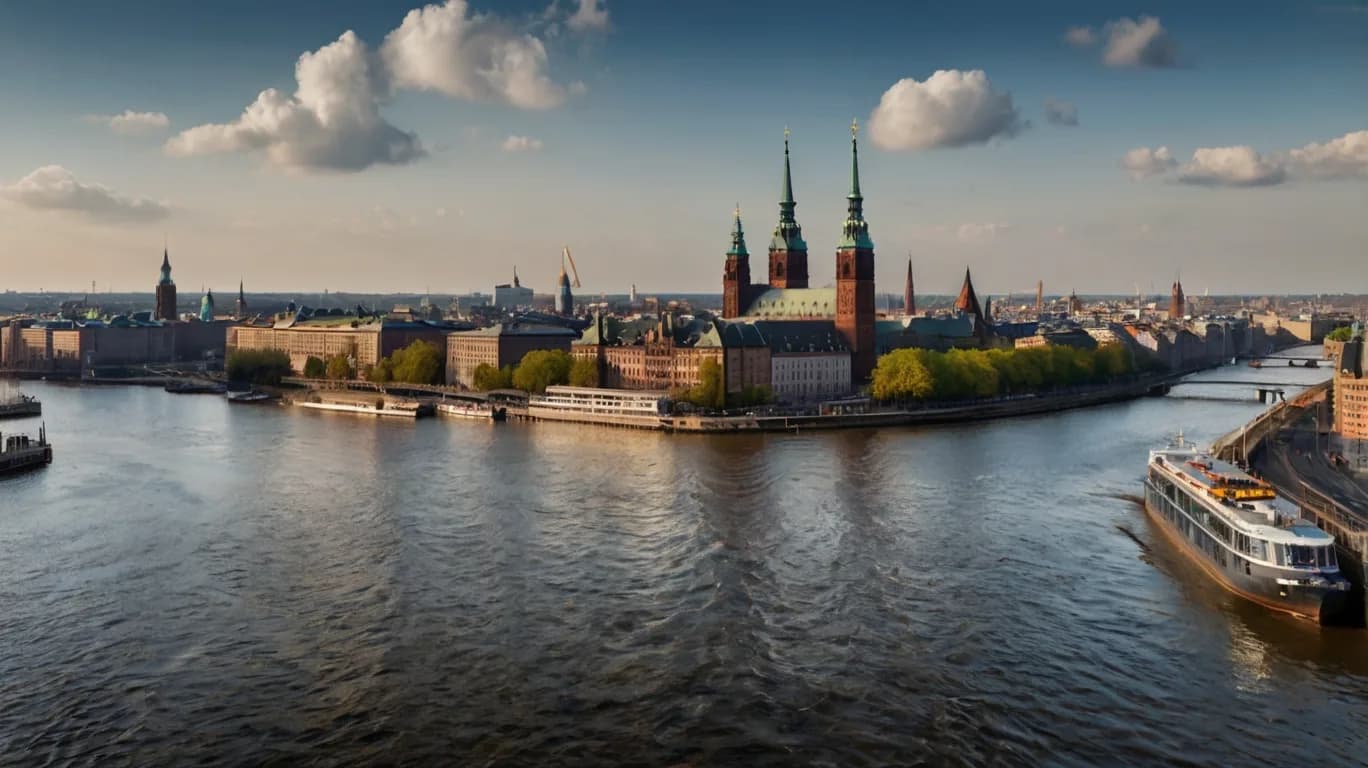
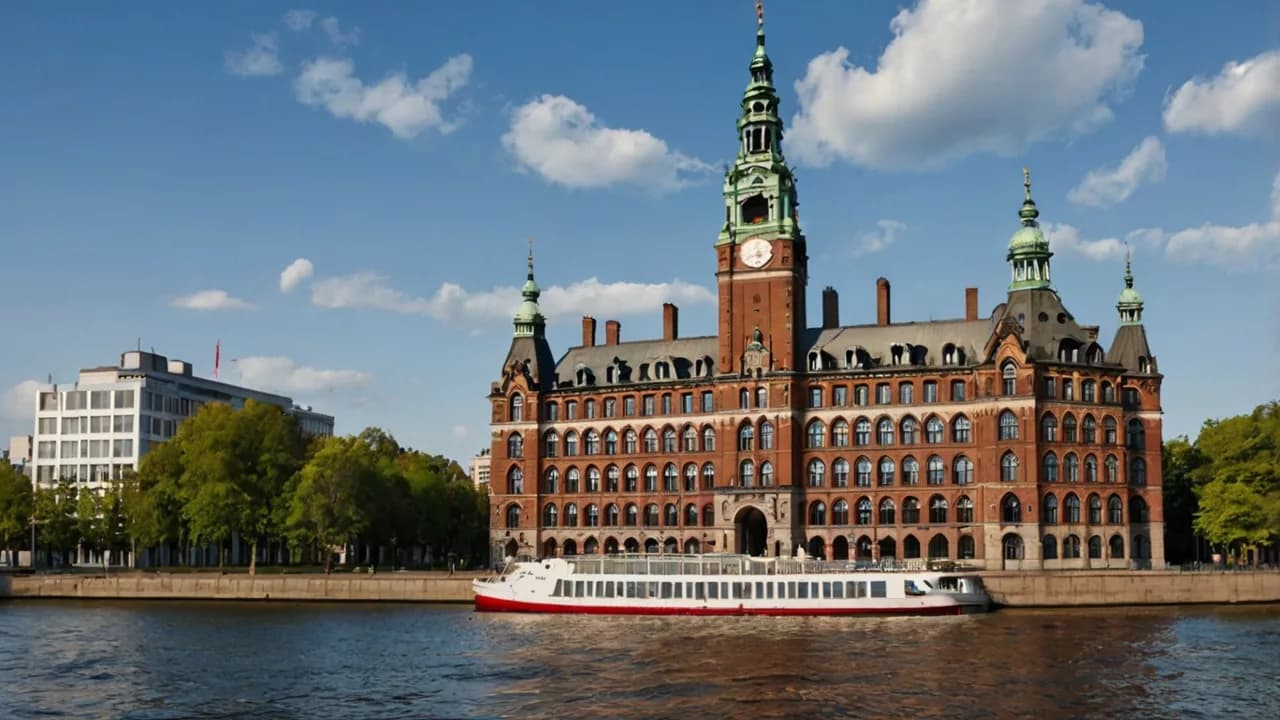
Hamburg, Germany
Radisson Blu Hamburg - Botanical Spa, Congressplatz, Hamburg, Germany
or equivalent hotel nearby