
Clean Fuel Technology and Standards for sub-Saharan Africa
- 5 day course
- Maximum 12 delegates
- 2 upcoming dates
- US$3,950
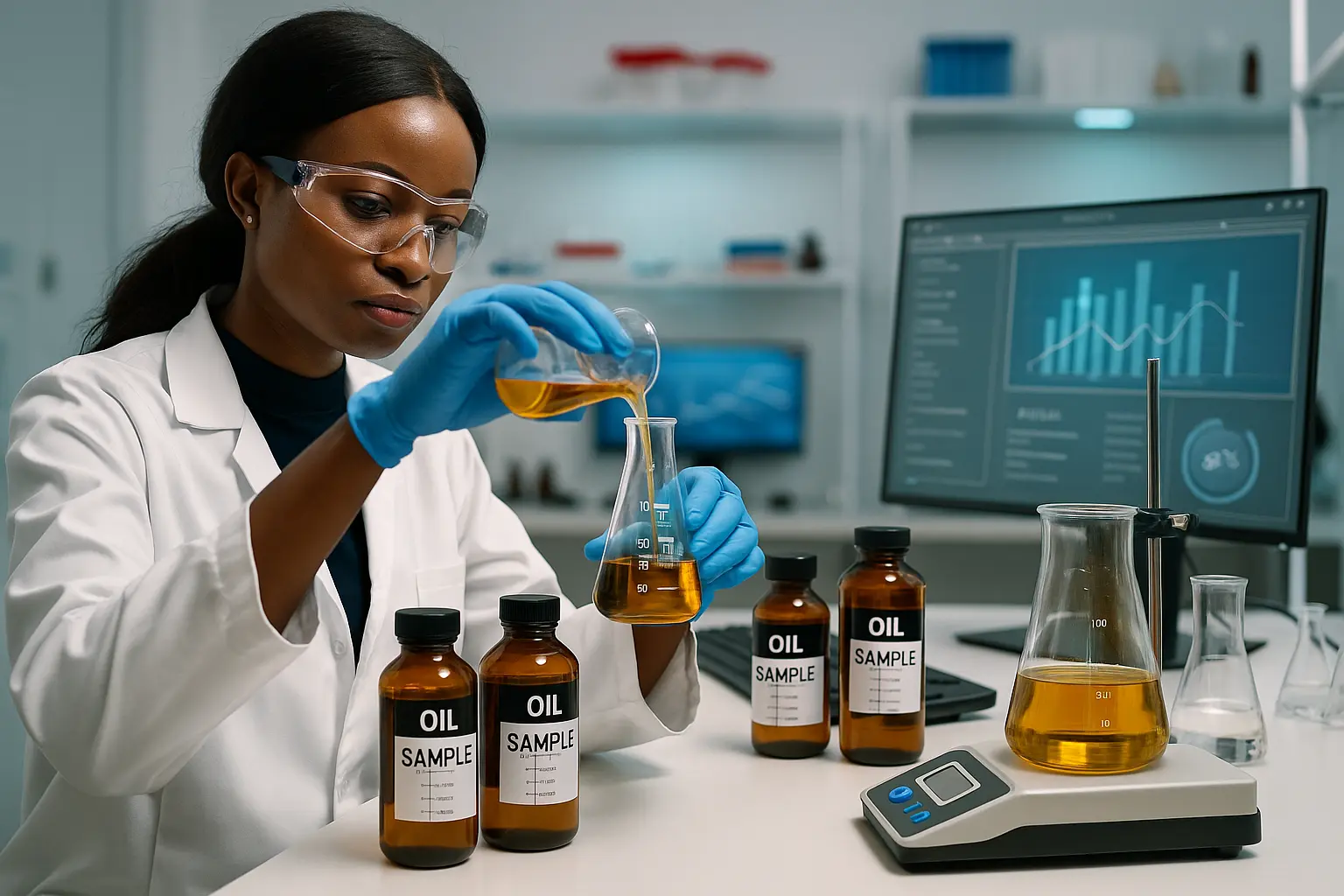



1 / 4
View or download the course brochure
“The NTUiTiV Difference” – This is Why This Course is Right for You
- Special Discounted Price of US$3,950 – the usual price is US$4,950
- Satisfaction Guaranteed – or we will give you your money back!
- 15% Early-bird Discount – for the first 3 people to register for any course
- 20% Group Discount – if you come with one or more colleagues
- No More Than 12 Delegates on the course – guaranteed
See our homepage for more detailed information about these NTUiTiV Differences.
Specifications, Emissions, Quality Monitoring, and the Future of Low-Carbon Fuels
This intensive 5-day programme delivers a modern, practical understanding of clean fuel production, quality control, and emissions standards in rapidly evolving downstream markets. The course guides participants through fuel chemistry, refining configurations, and product specifications for gasoline, diesel, jet fuel, and marine fuels, before progressing into blending strategies, aviation fuels, marine regulations, and future low-carbon pathways. Through case studies and hands-on exercises—including compliant gasoline blending and fuel quality monitoring design—delegates gain applied insight into ultra-low sulfur fuels, emissions compliance, and emerging alternatives such as biofuels, GTL, hydrogen blends, and synthetic e-fuels, supported by digital tools for traceability and quality assurance.
Why this course is important
Energy markets are transitioning toward cleaner fuels, placing increasing pressure on refiners, regulators, and downstream operators to meet tighter specifications while remaining commercially competitive. This programme directly addresses that challenge by building capability in fuel chemistry, blending economics, and emissions control. Participants develop a clear understanding of ultra-low sulfur fuel production, regional clean fuel standards, and the operational impact of new refining capacity, while also learning how to identify fuel adulteration, manage logistics risks, and apply monitoring technologies. With strong emphasis on future fuels and emissions standards linked to air quality, the course equips professionals to support compliance today while preparing strategically for the energy transition.
Who should attend
This course is ideal for:
- Refinery and downstream operations engineers
- Fuel quality and laboratory specialists
- HSE and emissions compliance officers
- Corporate planning and economics managers
- Government regulators (energy, environment, standards bodies)
- Supply chain and logistics professionals in fuel distribution
- Journalists and analysts covering fuel markets
What you will learn
Across five highly practical days, participants will gain in-depth knowledge of:
- Clean fuel chemistry, crude oil fractions, assays, and refinery configurations (hydrocrackers, desulfurisation, reformers)
- Product specifications for gasoline, diesel, jet fuel, and marine fuels, plus the shift toward ultra-low sulfur standards
- Gasoline blending processes (NHT, CCR, isomerisation, alkylation) and testing parameters including octane, volatility, sulfur, benzene, and RVP
- Bioethanol blending, clean octane strategies, and detecting fuel adulteration
- Jet A-1 properties, testing methods, and Sustainable Aviation Fuel (SAF) pathways (HEFA, FT, ATJ)
- Diesel chemistry, ULSD production, cetane, lubricity, cold flow, and bunker fuel requirements under IMO 2020
- Emissions standards and their relationship to urban air quality
- Monitoring technologies including laboratory testing, portable analysers, blockchain, IoT, and AI for compliance and traceability
- Low-carbon fuel options such as biofuels, GTL, hydrogen blends, and synthetic e-fuels
- Strategic pathways for clean fuels and energy transition, culminating in a group workshop to design a fuel quality monitoring programme
Participants are taught by a highly experienced chemical engineering consultant with over 30 years of refinery technology, operations, and management expertise, ensuring learning is grounded in real operational practice.
What participants say
Your course leader
International Chemical Engineering Consultant
With BSc and PhD degrees from the UK, and with over 30 years of refinery technology, operations, and management expertise for several famous-name oil companies, this speaker is now an internationally-famous chemical engineering consultant.
As a Chartered Chemist, a Member of the Royal Society of Chemistry and a Member of the American Institute of Chemical Engineers, he holds honorary appointments at a number of European universities and conducts cutting-edge research into vacuum distillation, gas recovery, absorption and pyrolysis.
Choose your date
There is a cap of 12 seatsUS$3,950 / delegate
All NTUiTiV courses are both Accredited and Quality Assured by one of the leading CPD Accreditation providers: Qualitas Accreditas.
Manchester, UK
The Lowry Hotel, Dearmans Place, Salford, UK
or equivalent hotel nearby